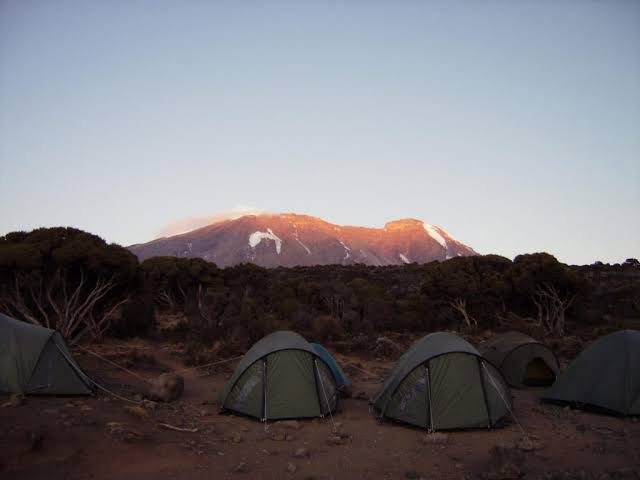
Walking to Everest Base Camp is less about reaching a point on a map and more about the journey: suspension bridges, Sherpa villages, prayer flags and views of peaks above 8,000 metres. It is demanding, but with time to acclimatise it is achievable for fit first-time trekkers.
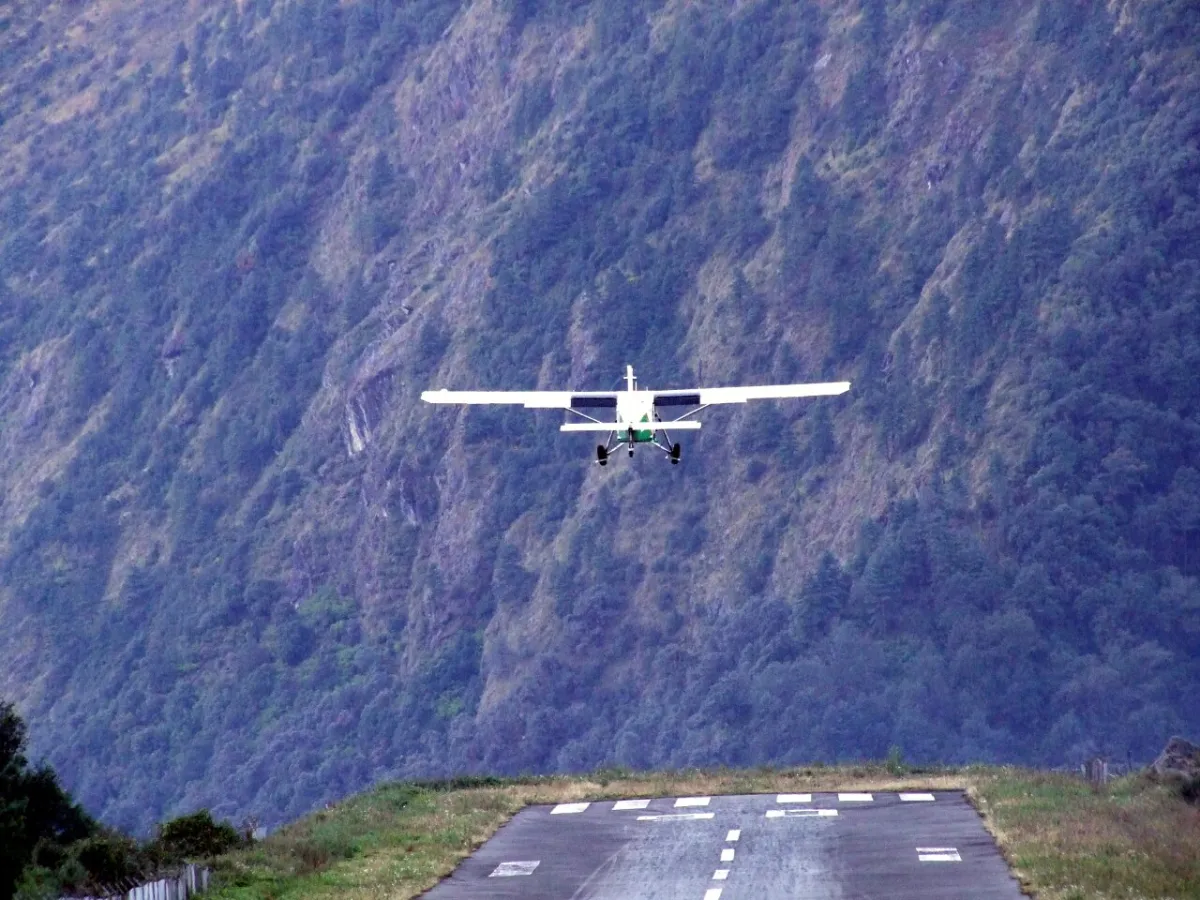
Start with the flight to Lukla
Most treks begin with a short, scenic flight to Lukla, then an easy walk to Phakding. Flights depend on weather, so keep a spare day or two in Kathmandu.
The trail then climbs to Namche Bazaar, the Sherpa trading hub, where a rest day helps your body adjust.
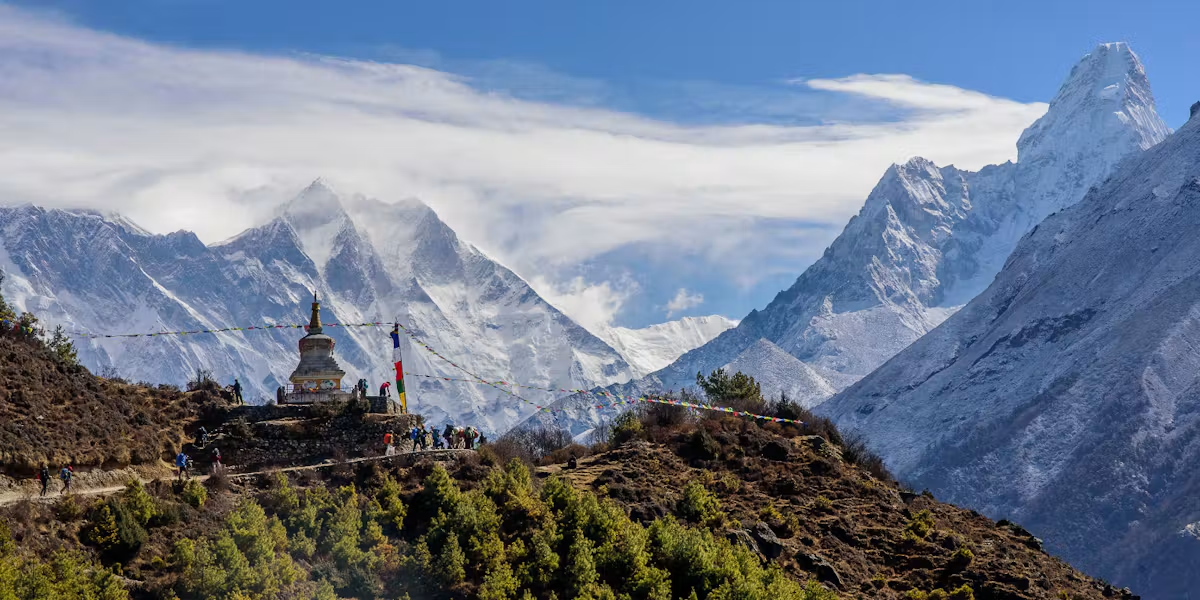
Climb high, sleep low
Rest days at Namche and Dingboche are the most important part of the plan. Short hikes higher up, then sleeping lower, reduce the risk of altitude sickness.
Drink plenty of water, walk slowly and tell your guide at once if you feel headaches, nausea or dizziness.
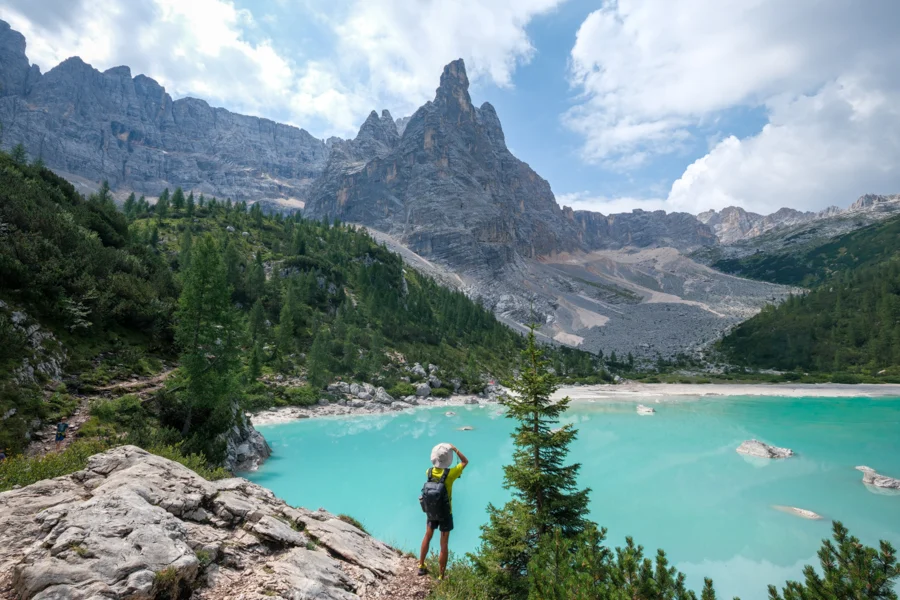
Base Camp and the better view
The final days pass through Lobuche and Gorak Shep. Base Camp itself is a rocky glacier site, with Everest hidden behind other ridges.
For the famous view, climb Kala Patthar at sunrise. It is cold and steep, and often the best morning of the trek.
Quick tips
- Hire a licensed guide or porter, it supports local jobs and safety.
- Pack layers, a warm down jacket and a sleeping bag rated for low temperatures.
- Carry cash, as ATMs are rare and expensive on the trail.
- Buy travel insurance that covers high-altitude trekking and helicopter rescue.
Common questions
Is the Everest Base Camp trek dangerous?
The main risk is altitude sickness. A slow schedule, rest days and listening to your body keep the risk lower.
Do I need climbing experience?
No. It is a trek on trails, not a climb, but good fitness and some multi-day hiking practice help.