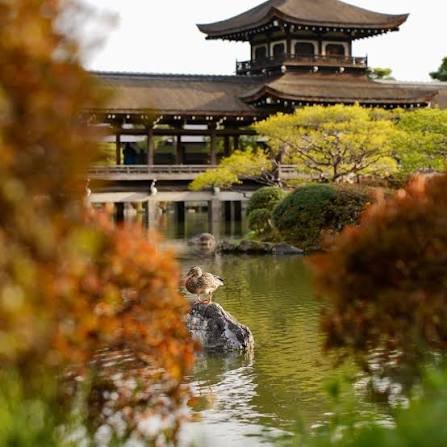
Kyoto in autumn feels like walking through a painting. Maple leaves turn crimson around centuries-old temples, lanterns glow along stone lanes and the air smells of roasted chestnuts. It is also one of Japan's busiest seasons, so a little planning goes a long way.
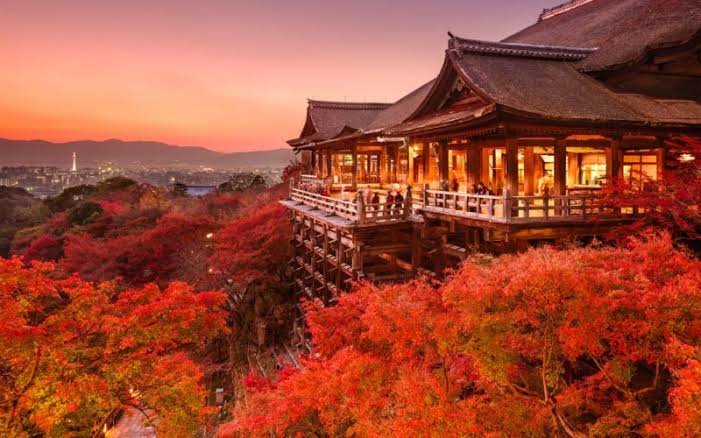
Fushimi Inari at sunrise
Thousands of vermilion gates wind up the forested hillside of Fushimi Inari. By mid-morning the lower paths are packed, but arrive at sunrise and you may have whole sections to yourself.
Keep climbing past the first viewpoint. Most visitors turn back there, and the upper trail is calmer, cooler and filled with small moss-covered shrines.
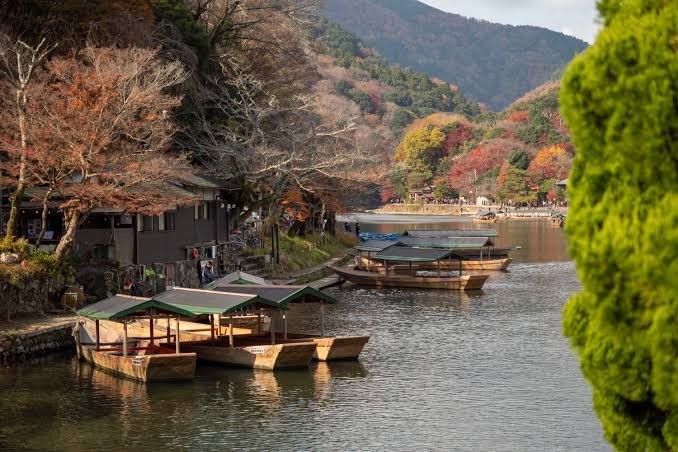
Arashiyama bamboo grove and beyond
The bamboo path in Arashiyama is famous for good reason, as the light filters through tall green stalks in a way photos cannot capture. Go early to avoid the tour groups.
Then cross Togetsukyo Bridge and follow the river to Tenryu-ji, where autumn maples frame a classic Zen garden. Finish with a bowl of yudofu, Kyoto's silky tofu hot pot.
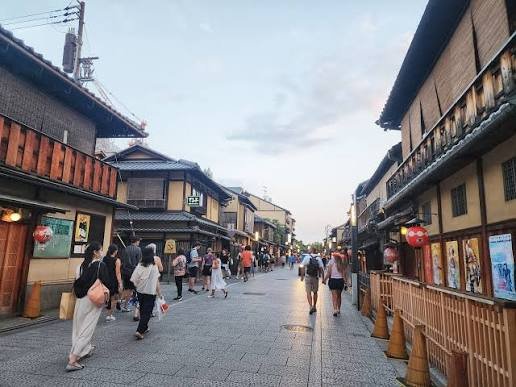
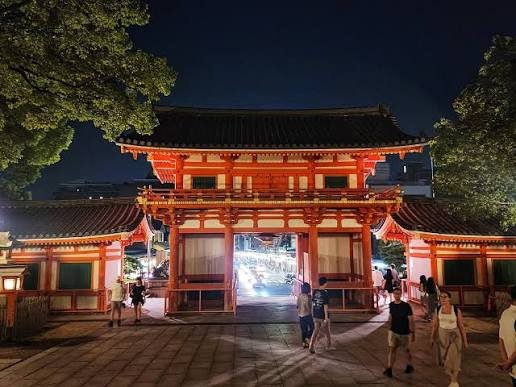
Gion after dark
When the sun sets, Gion changes. Paper lanterns light the narrow lanes of Hanamikoji and tea houses glow behind wooden lattice windows. Walk quietly and respectfully, as many of these streets are private.
For a deeper look at the culture, book a tea ceremony or a small-group evening walk with a local guide who can share the stories behind the district.
Kinkaku-ji and the northern temples
The Golden Pavilion shimmers across its mirror pond and is at its best on a clear autumn morning. It draws large crowds, so go when it opens and allow around an hour.
Nearby Ryoan-ji offers a very different mood, with a minimalist rock garden meant for quiet reflection. Sit for a while and let the calm settle in.
Quick tips
- Book hotels and popular restaurants well ahead for mid-November weekends.
- Buy an IC card for buses and trains, it saves time and small change.
- Start with the most popular sights at opening time, then wander quieter districts.
- Bring a light jacket, evenings can drop to single digits Celsius.
- Keep some cash for small shops, shrines and traditional cafes.
- Respect signs in temples and geisha districts, and avoid photographing people without asking.
Common questions
When are the autumn colours at their peak?
Usually mid November to early December, though timing shifts each year, so check a current foliage forecast before booking.
Do I need a car in Kyoto?
No. Trains, buses and walking cover most sights, and traffic in the city can be heavy in autumn.
How many days should I stay?
Four to five days lets you see the highlights at an easy pace and add a day trip to Nara or Osaka.